
Email Templates in Lendware allow you to create reusable, visually rich emails using the Lendware Email Template Builder. These templates are designed to standardize messaging while giving teams flexibility to customize content and branding.
Supported use cases:
-
Contact-based automations
-
Mass emails
-
Ad-hoc (one-off) emails
At this time, Email Templates are not available for transaction-based automations.
Where to Find Email Templates
Admin (Enterprise) Level
Admins can access templates by navigating to:
Marketing Management → Email Templates

From here, admins can:
-
Create new email templates
-
Edit existing templates
-
Filter templates by name, created date, created by, or last updated date
Team Level
Teams can find templates under:
Marketing → Email Templates

At the team level, users can:
-
Create team-specific templates
-
Edit templates that have been copied down from the admin level
Creating an Email Template
When creating a new template, you have two options:
Option 1: Use a Pre-Built Template
Pre-built templates provide a structured layout that follows common email best practices. These templates are similar to automation playbooks and are ideal if you want a clean, professional design without starting from scratch.
You can:
-
Use the existing layout as-is or modify it
-
Replace text, images, and buttons with your own content
-
Apply your branding, colors, and links
This option is recommended for teams that want consistency across communications while minimizing setup time.

Option 2: Start from a Blank Template
Starting from a blank template gives you full creative control over the email design. This option is best if you need a highly customized layout or want to build a template tailored to a specific campaign or brand style.
Using the Lendware Email Template Builder, you can:
-
Add and arrange rows with different column structures
-
Drag and drop content blocks such as text, images, and buttons
-
Customize fonts, colors, spacing, and alignment
-
Configure global styling and layout settings
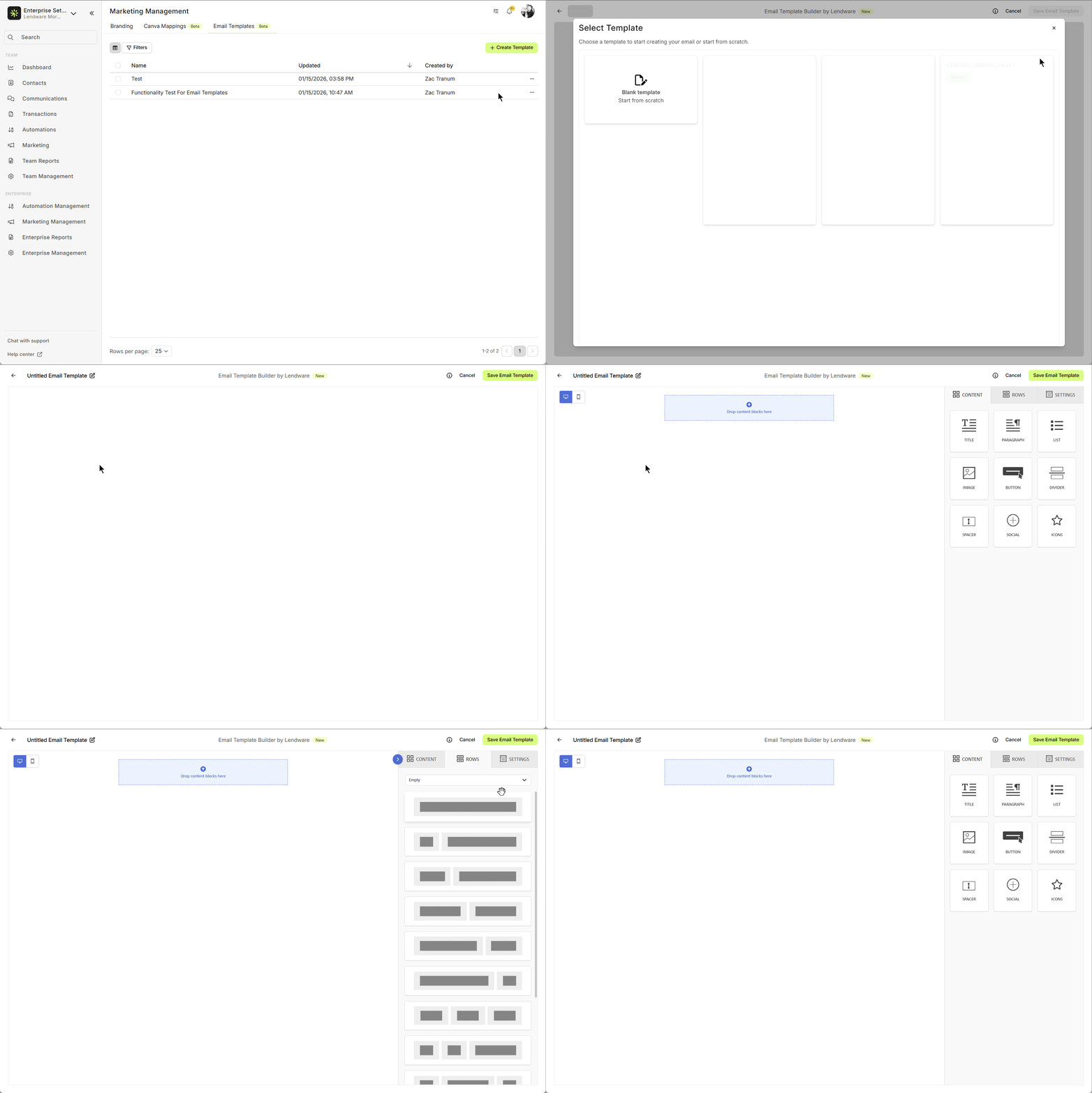
Regardless of which option you choose, all templates can be edited and refined over time directly from the Marketing → Email Templates page.
Lendware Email Template Builder Overview
The Lendware Email Template Builder is a drag-and-drop builder that offers extensive customization. Almost every element within the builder can be adjusted.
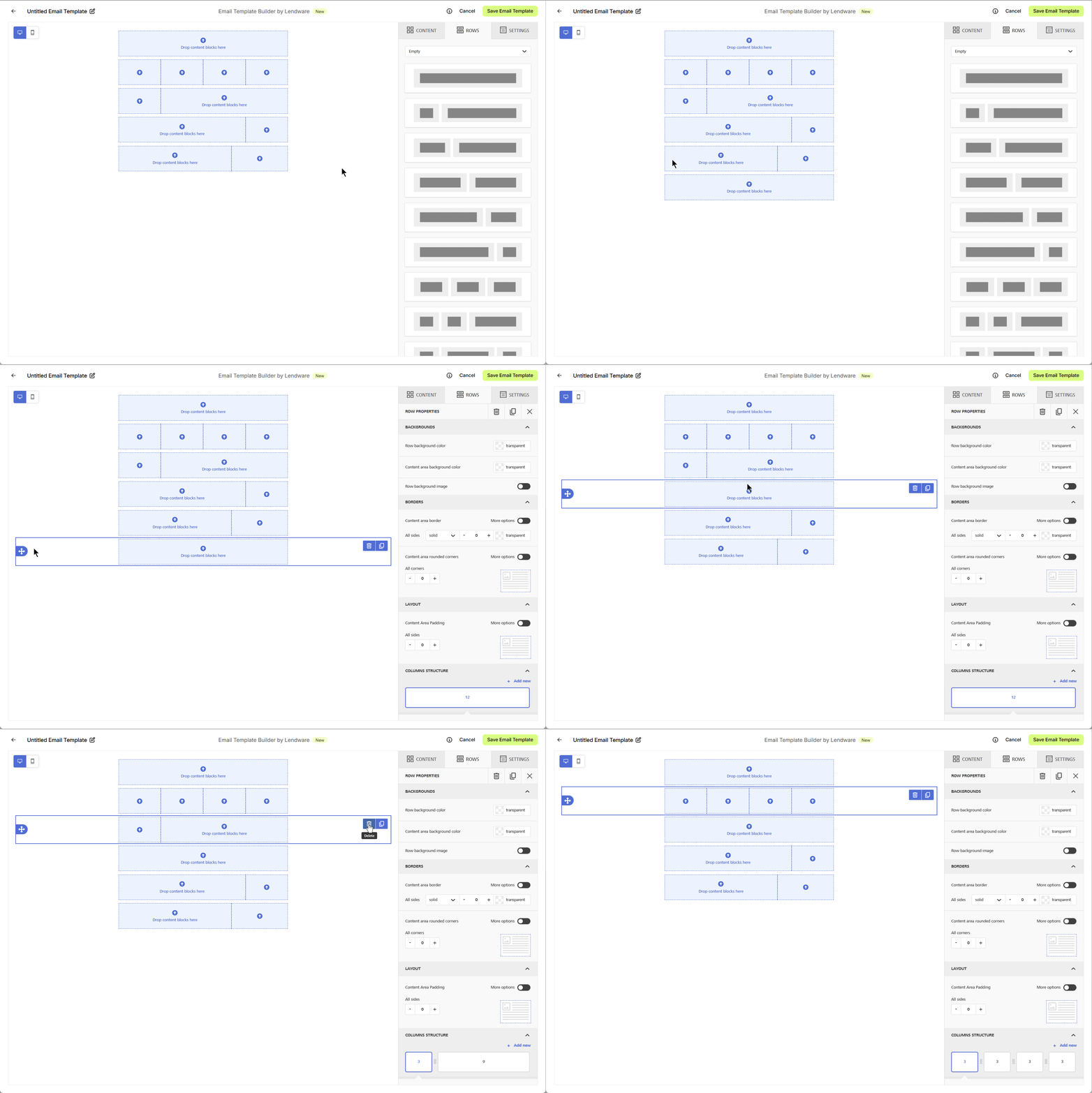
Rows
Rows are the foundation of your email layout.
-
Add new rows with different column structures
-
Reorder rows by dragging and dropping
-
Apply formatting at the row level
Content
Content blocks can be dragged into rows, including:
-
Titles and text blocks
-
Images (must be uploaded to the File Manager first)
-
Buttons with custom URLs
-
Dividers, icons, and social media blocks
Each content block supports:
-
Font, size, color, and alignment changes
-
Hyperlinks and merge tags
-
Background color and advanced styling options

HTML Block
The HTML block allows you to insert fully custom HTML code directly into your email template. This is useful for:
-
Embedding custom-designed email sections
-
Adding third-party widgets or formatted layouts
-
Maintaining exact brand styling from external design tools
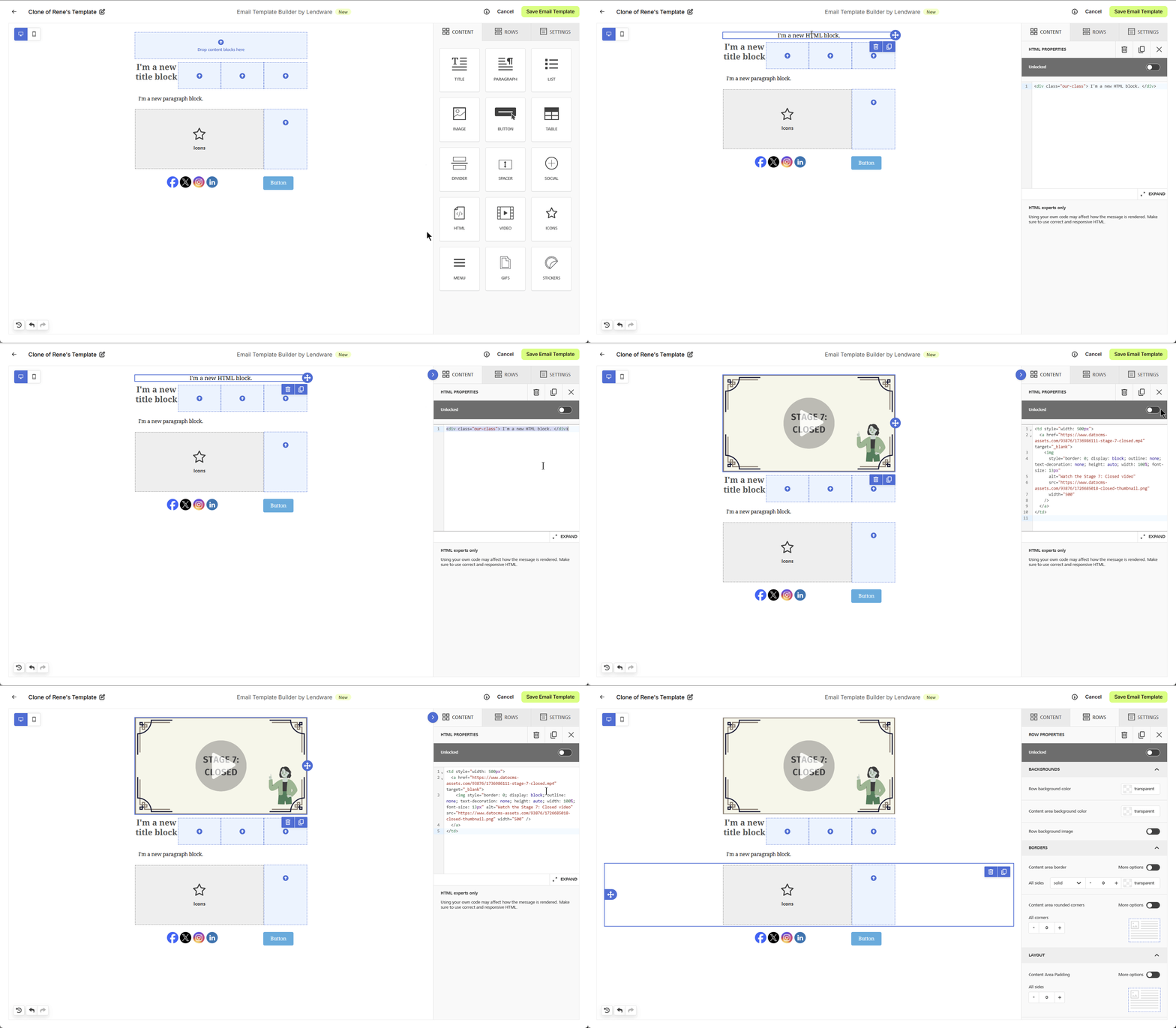
Custom HTML should follow email-client compatibility best practices to ensure proper rendering across devices and inbox providers.
Settings
Global email settings allow you to configure:
-
Content width (in pixels)
-
Email alignment
-
Overall background color and content-area background
-
Background images
-
Default font and link colors

Tip: You can preview your email in desktop and mobile views before saving.
Important: Always save your changes before exiting the builder.
Cloning Email Templates
Cloning allows you to quickly duplicate an existing template without starting from scratch.
When you clone a template:
-
A copy is created with identical layout and content
-
The cloned version can be renamed and edited
-
Changes made to the clone do not affect the original template
Cloning is especially useful when:
-
Creating variations of a campaign
-
Updating branding while preserving structure
-
Testing different messaging versions
Steps to Clone an Email Template
-
Navigate to Marketing → Email Templates (or Marketing Management → Email Templates at the Admin level).
-
Locate the template you want to clone.
-
Click the three-dot menu (⋯) at the end of the template row.
-
Select “Clone Email Template.”
-
Once selected, you will see a confirmation message:
“Email template cloned successfully!”

After cloning:
-
A new template will appear in the list.
-
The name will automatically be set to:
“Clone of [Original Template Name]” -
The Created By field will display the user who performed the cloning action.
You can then open the cloned template, rename it if needed, and make any desired edits.
Cloning a template does not create a synced version. Any changes made to the cloned template will not affect the original template, and vice versa.
Cloning is ideal when testing different subject lines, calls-to-action, or branding variations without modifying your original approved template.
Copying Templates to Teams
Admins can distribute email templates to one or more teams directly from the Marketing Management section. This allows organizations to maintain consistent messaging while still giving teams the ability to manage templates locally.
How Copying Templates Works
Copying a template creates an independent version of that template on the selected team(s). Once copied, teams can edit their version without affecting the original admin-level template.
Steps to Copy a Template
-
Navigate to Marketing Management → Email Templates
-
Select the email template you want to distribute
-
Click Copy to Team(s) (or use the context menu next to the template)
-
Choose one or more teams, or select all teams
-
Confirm the action
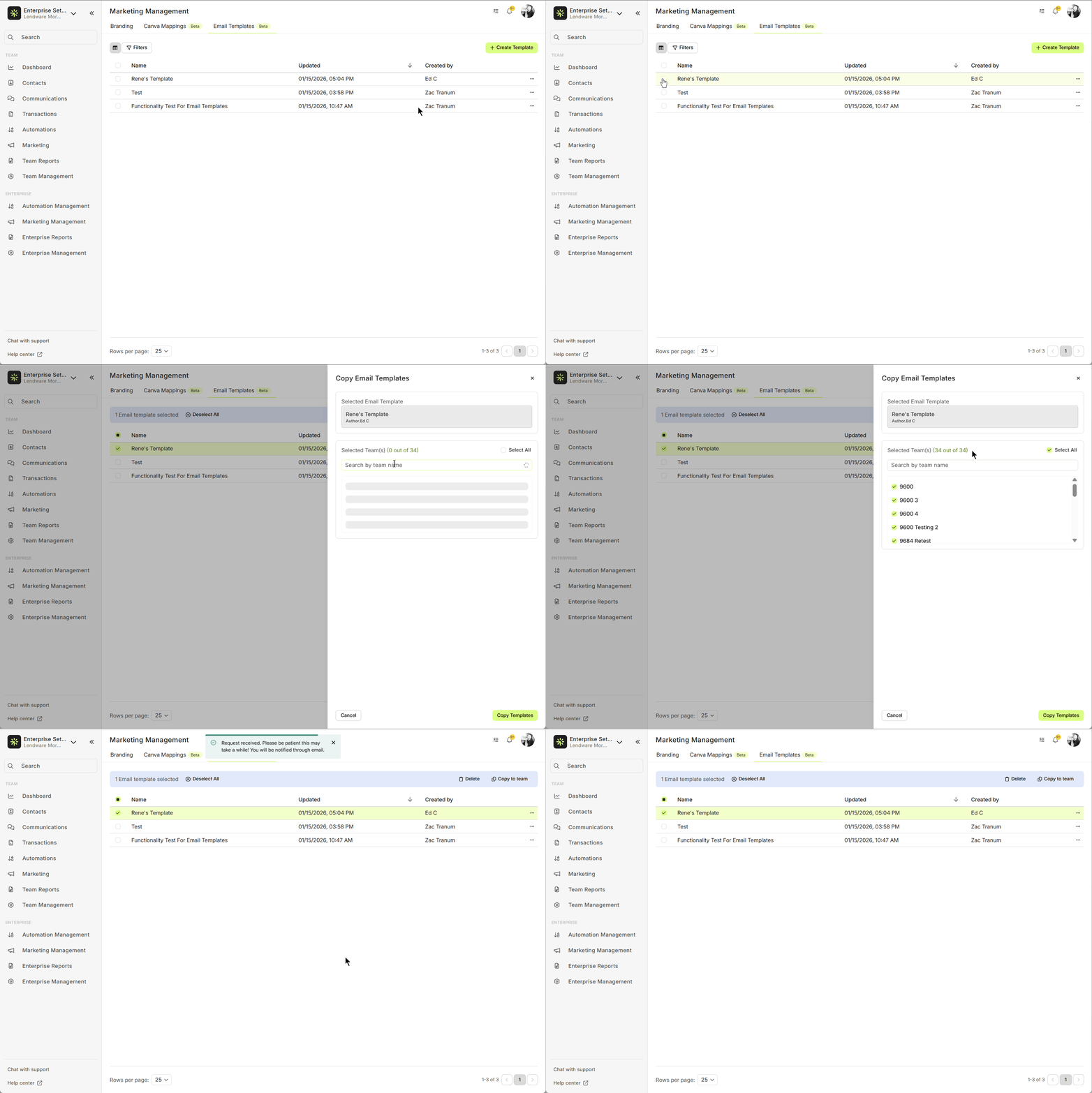
Once the process is complete, the template will appear under:
Marketing → Email Templates within the selected team(s)

Important Behavior Copying a template does not create a live connection between the admin template and the team template. Any future updates made at the admin level will not automatically sync to teams and must be re-copied if changes are needed.
Using Email Templates
After a template is created or copied to a team, it can be used in the following ways:
Contact-Based Automations
-
Open the email action within an automation
-
Click Insert from Email Templates
-
Select the desired template and apply it
-
Add a subject line and save

Mass Emails
-
Select one or more contacts
-
Click Mass Email
-
Insert the email template

Ad-Hoc Emails
-
Open an individual contact
-
Choose to send an email
-
Insert the template from Email Templates

Editing Limitations
Important Limitation Once an email template is inserted into an email, it cannot be edited from the email editor itself.
To make changes:
-
Remove the template from the email
-
Edit the template directly from Marketing → Email Templates
-
Reinsert the updated version
Template Updates and Syncing Behavior
Understanding how updates work is critical when managing templates across teams and automations.
-
When a template is copied to a team, future updates to the original admin-level template do not automatically apply
-
The same behavior applies to templates used in automations
Templates are treated as static snapshots once copied or inserted.
To apply updates:
-
Re-copy the updated template to the team, or
-
Remove the existing template from the automation/email and insert the updated version
Key Takeaways
-
Templates are currently supported only for contact-based emails (not transaction-based automations)
-
Once a template is inserted into an email, it cannot be edited from the email editor
-
Template updates do not automatically sync across teams or existing automations
-
To apply changes, templates must be reinserted into emails or re-copied to teams
Need more help? Check out: Meet the Ai Email Editor